Open hours: By Appointment Only 847-512-3722
TASH Wellness Blog
Cognitive Fitness: Enhance Memory & Brain Health
Health, Cognitive Fitness, Brain Training
What Is Cognitive Fitness Training? A Practical Guide for Everyday Life
Cognitive fitness training is gaining attention among individuals and everyday consumers who want sharper thinking, better memory, and a more resilient brain. But what exactly is it, and how does it fit into a busy, modern lifestyle? This guide breaks it down in simple, practical terms.
What Is Cognitive Fitness Training?
When most people think about fitness, they think about muscles, strength, flexibility, balance or cardiovascular exercise. But there is another important part of fitness that deserves attention, especially as we get older: cognitive fitness.
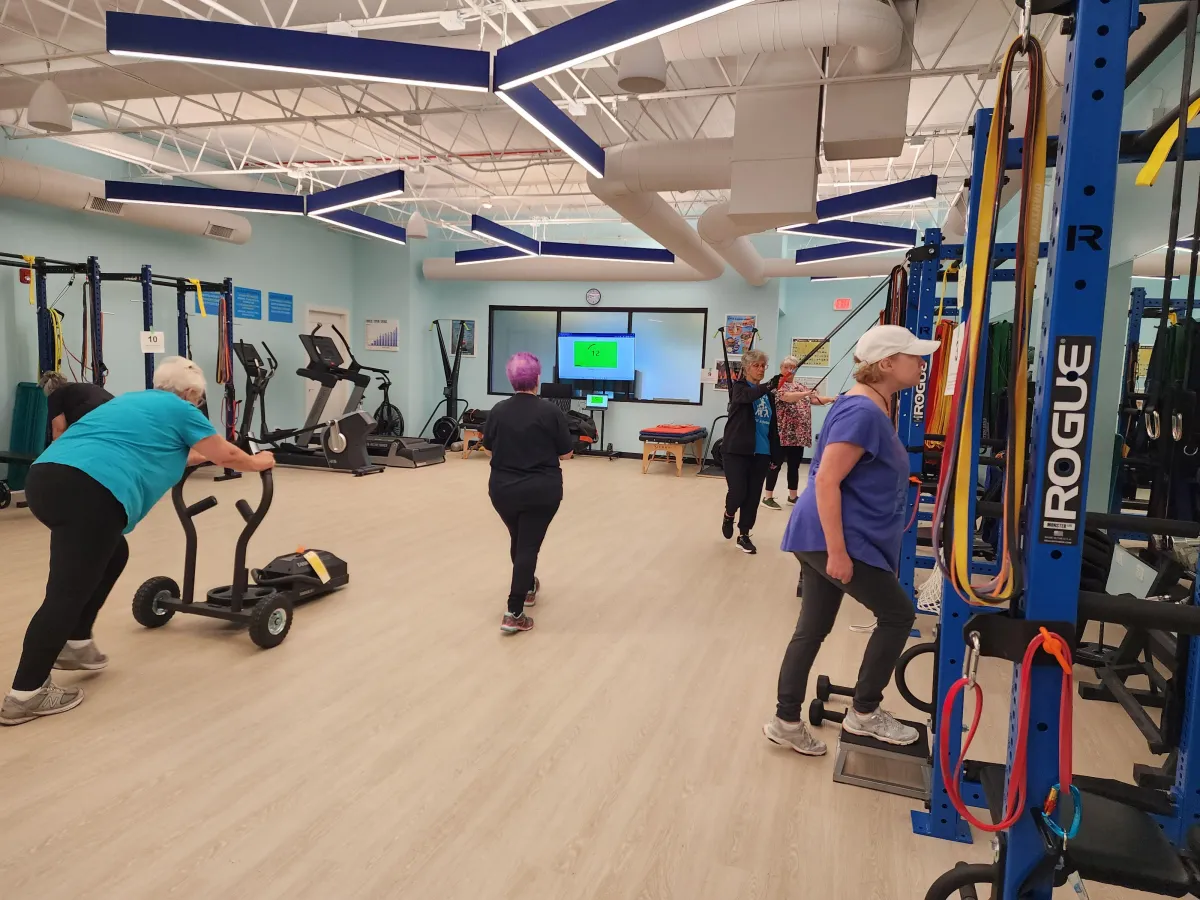
Cognitive fitness training combines physical movement with activities that challenge the brain. Instead of simply performing an exercise repeatedly, you may also be asked to remember a sequence, react to a signal, change direction, count, make a decision or coordinate multiple movements.
At TASH Wellness, we believe exercise for women over 50 should challenge more than just the muscles. By incorporating cognitive challenges into our workouts, we can create exercise that requires the brain and body to work together.
After all, everyday life rarely asks us to use our bodies without also using our brains.
What Does Cognitive Fitness Mean?
Cognitive fitness refers to keeping mental abilities actively engaged through activities that require skills such as attention, memory, reaction, decision-making and problem-solving.
Cognitive fitness training adds these challenges to physical exercise.
For example, walking from one point to another is physical activity. But walking while responding to directions, remembering a movement pattern or changing direction based on a visual or verbal signal adds a cognitive challenge.
An exercise might ask you to step forward when you hear one command and backward when you hear another. You might perform a series of movements in a specific order and then repeat that sequence from memory.
The possibilities are almost endless.
The purpose isn't to make exercise confusing. The goal is to appropriately challenge your ability to think and move at the same time.
Why Is Cognitive Fitness Important for Women Over 50?
As women age, we often become more focused on maintaining physical abilities. We want to remain strong, mobile, steady on our feet and capable of performing everyday activities.
But those activities also require cognitive skills.
Think about walking through a busy parking lot. You need to maintain your balance while watching for cars, noticing changes in the pavement and deciding where to walk.
Consider climbing stairs while carrying something. Your brain must coordinate your movements while you maintain balance and pay attention to your surroundings.
Even something as simple as preparing a meal can require standing, reaching, carrying, remembering and performing multiple tasks.
This is why training the brain and body together can make exercise more functional.
A women's personal trainer or senior fitness trainer who incorporates cognitive challenges into exercise can create workouts that go beyond simply counting repetitions.
Cognitive Fitness and Balance Training Work Together
There is a natural connection between cognitive fitness training and balance training.
Maintaining balance isn't just a muscular task. Your brain receives and processes information from several systems in your body to help you understand where you are in space and make adjustments as you move.
Now imagine adding another challenge.
You may be asked to balance while responding to a verbal cue. You might step in different directions depending on a signal. You could walk around obstacles while remembering a sequence.
These types of exercises challenge attention, coordination and physical control at the same time.
This can also complement fall prevention training.
Falls can occur when we're distracted, changing direction, navigating an obstacle or reacting to something unexpected. While no exercise program can guarantee that a person won't fall, appropriately designed strength, balance and cognitive exercises can help develop abilities involved in navigating everyday situations.
Cognitive Fitness Can Make Strength Training More Functional
Cognitive challenges don't have to be separate from strength training.
At TASH Wellness, we believe fitness should prepare women for real life. In real life, you rarely get to focus on one perfectly controlled movement while ignoring everything happening around you.
That's why cognitive challenges can sometimes be incorporated into strength and functional exercises.
For example, a woman might perform different exercises based on a trainer's verbal cues. She may need to remember the order of several movements. Another activity might combine resistance exercise with counting or decision-making.
These exercises can make a workout physically and mentally engaging.
The objective isn't to make strength training unnecessarily complicated. The challenge should always be appropriate for the individual's ability.
Just like adding resistance to an exercise, cognitive challenges can be progressed gradually.
Reaction and Coordination Matter in Everyday Life
One important aspect of cognitive fitness is reaction.
Life doesn't always give us advance notice before something happens.
You may unexpectedly step onto an uneven surface. Someone may walk in front of you. You might need to move around an object or quickly adjust your direction.
Your brain has to recognize what is happening and tell your body how to respond.
Coordination is also important.
Walking, reaching, stepping and carrying all require different parts of the body to work together. Exercises that challenge coordination can encourage the brain and body to communicate while performing movement.
A knowledgeable women's fitness coach can incorporate these challenges while making sure exercises remain appropriate and manageable.
Cognitive Fitness Makes Workouts More Interesting
There is another benefit that shouldn't be overlooked:
Cognitive fitness can make exercise fun.
Repeating the same exercises week after week can become boring.
Adding memory games, reaction exercises, movement patterns, verbal cues and other challenges can create variety and encourage participants to remain mentally involved in the workout.
This can work particularly well in small group personal training.
Women may perform activities together, respond to cues and encourage one another while still exercising at their individual fitness levels.
At TASH Wellness, we want our members to be engaged in what they're doing. Exercise doesn't have to mean getting on a machine, performing repetitions and going home.
It can be challenging, interactive and enjoyable.
Why a Women-Only Training Environment Can Help
Many women over 50 want an exercise environment where they feel comfortable learning new skills and trying exercises they haven't performed before.
This is one reason women-only personal training can be appealing.
In a supportive women-only training environment, the focus can remain on personal progress rather than comparison.
Some cognitive exercises may initially feel unfamiliar. You may forget a sequence. You may move in the wrong direction. You may laugh because your brain told your body to do one thing and your body did something completely different.
That's okay.
The purpose is to challenge yourself—not to be perfect.
Cognitive Fitness Can Be Part of a Complete Training Program
Cognitive fitness should not replace strength training, balance training or cardiovascular exercise.
Instead, it can be incorporated into a complete fitness program.
For women over 50, a well-rounded program might include strength training, balance training, fall prevention training, functional movement, cardiovascular conditioning, mobility and cognitive fitness training.
The amount and type of exercise should always be appropriate for the individual's abilities, health and goals.
This can be especially important for women dealing with medical procedures or returning to fitness afterward.
During pre-surgery training, for example, the priority may be appropriately maintaining or improving strength, mobility, balance and overall physical conditioning before a planned procedure.
After medical rehabilitation is completed and a woman has been cleared for regular exercise, post-rehab training may help her gradually transition back into a broader fitness program.
Cognitive challenges can be incorporated when they are appropriate for that individual.
Fitness Should Challenge the Brain and Body
At TASH Wellness, our approach to Glenview personal training is about much more than how much weight someone can lift.
We want women over 50 to develop strength they can use, balance they can depend on, coordination that supports movement and confidence in their physical abilities.
Cognitive fitness adds another dimension.
It asks you to pay attention.
It asks you to remember.
It asks you to react.
And it asks your brain and body to work together.
You don't need to perform complicated exercises to challenge yourself cognitively. Small changes can transform an ordinary exercise into one that requires greater attention, memory, reaction or coordination.
Whether you're participating in small group personal training, working on strength, improving your balance, preparing for surgery or returning to exercise following rehabilitation, cognitive challenges can be another valuable component of a well-rounded fitness program.
At TASH Wellness, we don't believe women should stop challenging themselves simply because they're getting older.
We believe the opposite.
Keep moving. Keep learning. Keep challenging your body. Keep challenging your brain. And keep building the physical and cognitive fitness that helps you stay active, confident and engaged in life.

It's Never Too Late To Start
28-Day Trial
3-30 minute group training sessions/week
28-days of nutrition
28-days of accountability
Start the interview process today by signing up for your interview below.

Connect With Us
TASH Wellness
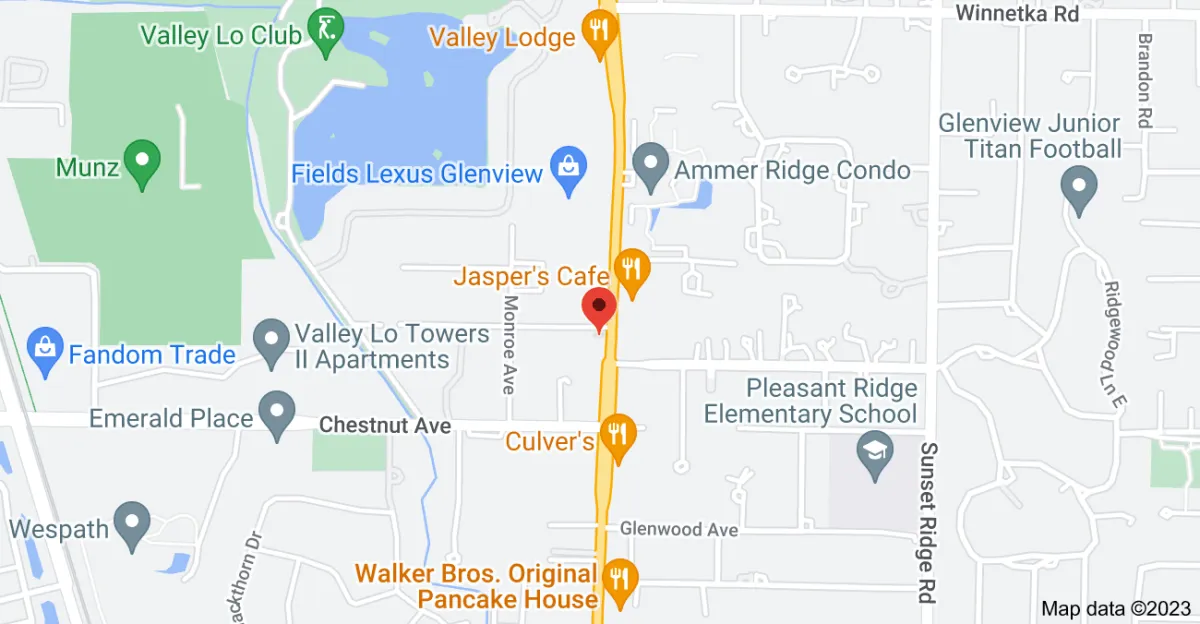
1844 Waukegan Road
Glenview, IL 60025
847-512-3722
Sharan@TASHWellness.com

$209
28-Day Trial
Copyright ©2023 All rights reserved
Powered by Zen Planner