Open hours: By Appointment Only 847-512-3722
TASH Wellness Blog
Fitness, strength, balance, brain health, and wellness for women who want to stay strong and independent at every age

What Is Post-Rehab Fitness Training for Women Over 50?
Fitness, Post-Rehab, Women Over 50
What Is Post-Rehab Fitness Training for Women Over 50?
Recovering from an injury or surgery is only the first step. For women over 50, post-rehab fitness training bridges the gap between physical therapy and living an active, confident life again—safely and on your own terms.

Stronger After Rehab
Safe, smart fitness for women over 50
From Rehab to Real Life: What “Post-Rehab” Really Means
Completing physical therapy can feel like a major accomplishment—and it is. But for many women over 50, finishing physical therapy does not necessarily mean they are ready to return immediately to their previous exercise routine. There can be a gap between completing rehabilitation and feeling strong, confident, and comfortable exercising independently.
That is where post-rehab fitness training can play an important role.
Post-rehab fitness training is designed to help individuals who have completed rehabilitation or physical therapy transition back into an appropriate fitness program. For women over 50, it can provide a progressive approach to rebuilding strength, improving balance, increasing mobility, and restoring confidence with movement.
What Is Post-Rehab Fitness Training?
Post-rehab fitness training generally begins after a person has completed prescribed rehabilitation or physical therapy and has been cleared to return to exercise.
Physical therapy typically focuses on treating an injury, surgery, pain, or specific physical limitation. Once those rehabilitation goals have been met, a person may still need to improve overall strength, endurance, balance, mobility, and functional fitness.
Post-rehab fitness training helps bridge that gap.
It is not physical therapy or medical treatment. Instead, it is fitness training that takes into consideration where you are physically after rehabilitation and helps you safely progress toward broader fitness and lifestyle goals.
For women over 50, this transition can be particularly important because maintaining strength and physical function becomes increasingly important with age.
Who Is Post-Rehab Fitness Training For?
Post-rehab training is not just for athletes. It is ideal for everyday women over 50 who want to stay active and independent after:
Joint replacements (hip, knee, shoulder)
Back pain or spinal issues (such as herniated discs or stenosis)
Rotator cuff injuries or shoulder impingement
Ankle sprains, foot pain, or balance problems
Osteoarthritis, osteoporosis, or joint stiffness
Surgeries such as hysterectomy, breast surgery, or abdominal procedures
If you’ve ever thought, “My doctor says I’m fine, but I still don’t feel like myself,” you’re the exact person post-rehab training is designed to support. It’s about closing the gap between being medically cleared and truly feeling strong, steady, and capable in your daily life.
💡 Key Idea: Physical therapy focuses on healing the specific injury. Post-rehab fitness focuses on your whole body and how you move, live, and enjoy life after rehab.
Why Is Post-Rehab Fitness Training Important for Women Over 50?
After an injury, surgery, or extended period of limited activity, it is common to lose some muscle strength, endurance, mobility, and confidence.
Even after successful rehabilitation, you may notice that everyday activities feel different. Walking longer distances, climbing stairs, getting up from the floor, carrying groceries, gardening, traveling, or participating in recreational activities may require more effort than they did previously.
A structured post-rehab fitness training program for women over 50 can help gradually rebuild the physical abilities needed for everyday life.
Rather than jumping directly into a traditional workout program, post-rehab training provides a more individualized progression based on your current abilities.
Rebuilding Strength After Rehabilitation
Strength is one of the most important components of healthy aging.
Muscles help us stand, walk, climb stairs, lift objects, maintain posture, and perform countless everyday movements. Following surgery, injury, or inactivity, muscle strength can decline.
Strength training for women over 50 can help rebuild that strength.
Post-rehab strength training should begin at an appropriate level and progress gradually. Exercises can be modified based on previous injuries, physical limitations, and recommendations provided by your healthcare or rehabilitation professionals.
The objective is not simply to lift heavier weights. The goal is to develop useful strength that supports everyday movement and independence.
Improving Balance and Stability
Balance is another important component of senior fitness training for women over 50.
After an injury or surgery, some women become less confident in their movement. They may hesitate when walking on uneven surfaces, stepping off a curb, climbing stairs, or changing direction quickly.
This is why balance training and fall prevention training can be valuable components of a post-rehab fitness program.
Effective balance training involves more than simply standing on one foot. Exercises can challenge posture, coordination, reaction time, lower-body strength, movement in different directions, and the body's ability to respond to changing situations.
Improving these abilities can help women feel more confident during everyday activities.
Restoring Mobility and Functional Movement
Being strong is important, but strength needs to work together with mobility and movement.
A good post-rehab fitness program can include exercises that mimic the movements we perform every day, such as squatting, reaching, pushing, pulling, carrying, stepping, bending, and changing direction.
This is often referred to as functional fitness training.
For women over 50, functional training can help make exercise more relevant to real life. The objective is to improve the body's ability to perform daily activities comfortably and efficiently.
At TASH Wellness, we believe fitness should help you outside the gym—not simply help you complete exercises inside the gym.
Rebuilding Confidence After an Injury or Surgery
One part of recovery that can sometimes be overlooked is confidence.
After experiencing pain, an injury, surgery, or a lengthy rehabilitation process, it is understandable to become cautious about certain movements. You may wonder whether you should lift something, bend a certain way, exercise harder, or try an activity you previously enjoyed.
Working with a qualified women's personal trainer or senior fitness trainer can provide structure and guidance as you return to regular exercise.
Exercises can be introduced progressively, allowing you to build strength and confidence without feeling that you need to immediately return to your previous fitness level.
Progress does not have to happen overnight.
Post-Rehab Training Is Not Physical Therapy
It is important to understand the difference between physical therapy and post-rehab fitness training.
Physical therapists are healthcare professionals who evaluate and treat injuries, medical conditions, pain, and movement limitations.
Personal trainers do not diagnose or treat medical conditions.
Instead, post-rehab fitness training begins when rehabilitation has been completed and appropriate medical or rehabilitation clearance has been provided. A fitness professional can then help continue developing general strength, endurance, balance, mobility, and functional fitness.
When appropriate, communication between healthcare providers, physical therapists, and fitness professionals can help create a smoother transition back to exercise.
Why Women Over 50 Benefit From Individualized Training
Every woman enters post-rehab training with a different history.
One woman may be returning after knee surgery. Another may have completed rehabilitation for a shoulder injury. Someone else may simply have spent months being less active while recovering from a medical procedure.
That is why post-rehab fitness should not use a one-size-fits-all approach.
A women's personal trainer can adjust exercise selection, resistance, range of motion, repetitions, balance challenges, and workout intensity based on the individual's abilities and goals.
As strength and confidence improve, exercises can progressively become more challenging.
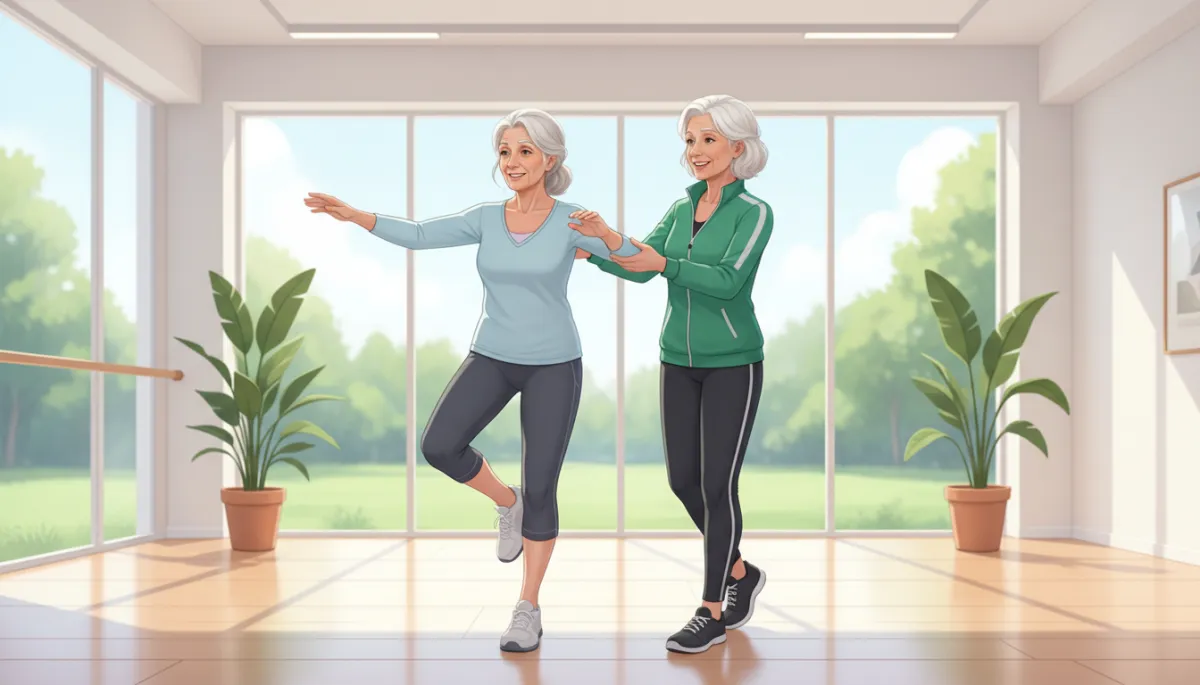
Focused balance and core work can dramatically reduce falls and daily aches.
Post-Rehab Fitness Training at TASH Wellness
At TASH Wellness, our post-rehab fitness training for women over 50 in Glenview focuses on helping women continue moving forward after completing rehabilitation.
Our approach can incorporate strength training, balance training, fall prevention training, mobility, cognitive fitness training, and functional movement based on each woman's individual needs and abilities.
Our women-only personal training in Glenview provides a supportive environment where women can focus on becoming stronger and more confident without feeling pressured to keep up with someone else's fitness level.
Whether your goal is returning to regular exercise, improving balance, rebuilding strength, increasing mobility, or simply feeling more confident performing everyday activities, your fitness program should meet you where you are today.
Moving From Rehabilitation Back to Life
Completing rehabilitation is an important milestone, but it does not have to be the end of your journey.
Post-rehab fitness training for women over 50 can provide the next step between rehabilitation and long-term fitness. By gradually rebuilding strength, improving balance and mobility, and practicing functional movements, women can continue working toward an active and independent lifestyle.
At TASH Wellness, our goal is to help women become stronger, move with greater confidence, and maintain the physical abilities they need for everyday life.
Because fitness after 50 is not simply about working out—it is about building the strength, balance, mobility, and confidence to continue doing the things you want to do.

It's Never Too Late To Start
28-Day Trial
3-30 minute group training sessions/week
28-days of nutrition
28-days of accountability
Start the interview process today by signing up for your interview below.
Connect With Us
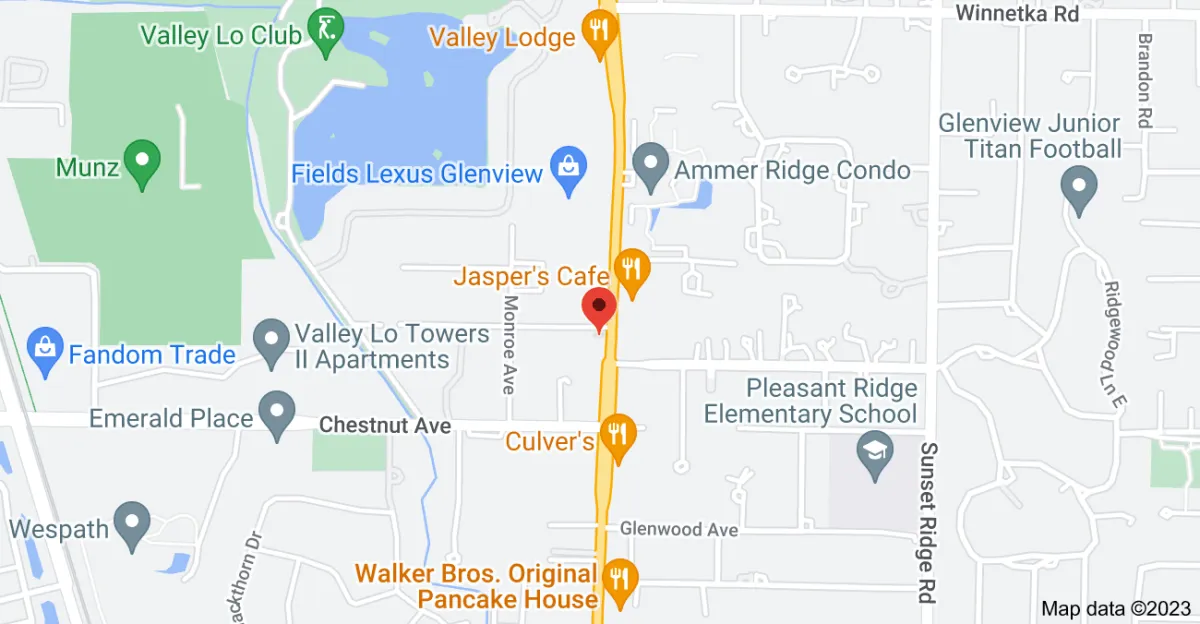
TASH Wellness
1844 Waukegan Road
Glenview, IL 60025
847-512-3722
Sharan@TASHWellness.com

$209
28-Day Trial
Copyright ©2023 All rights reserved
Powered by Zen Planner