Open hours: By Appointment Only 847-512-3722
TASH Wellness Blog
Fitness, strength, balance, brain health, and wellness for women who want to stay strong and independent at every age
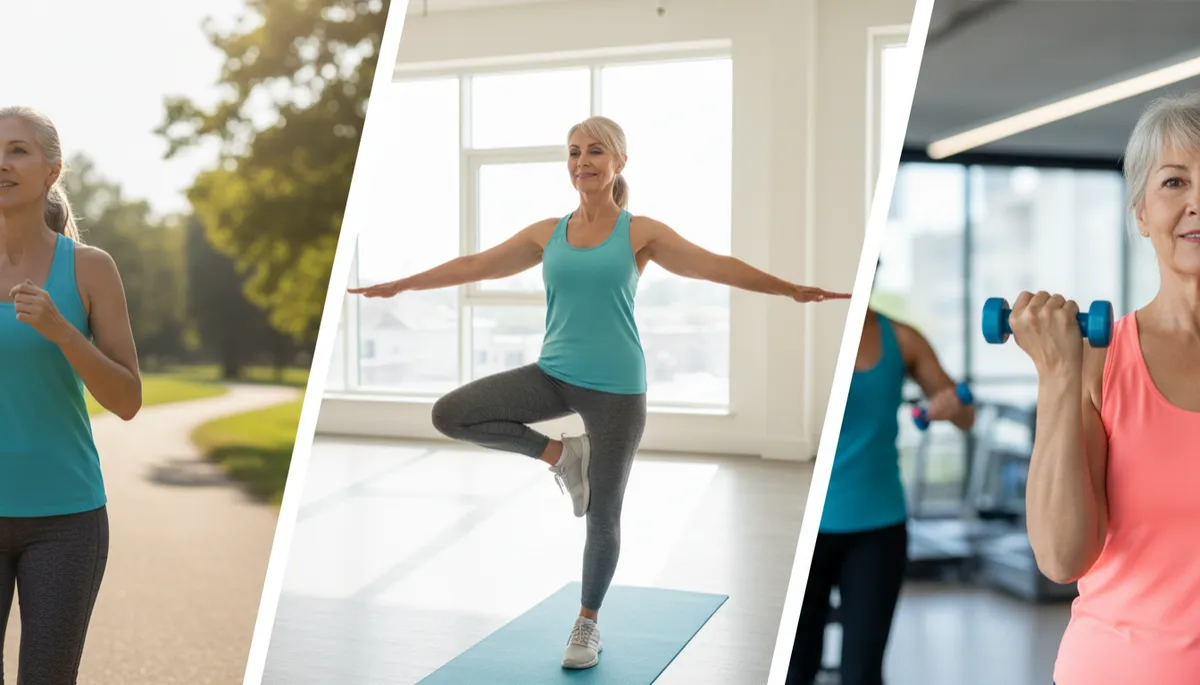
Women Fitness: Start Exercising at Any Age
Women Fitness, Age And Exercise, Active Lifestyle
Why Women Are Never Too Old to Start Exercising
If you have ever thought, “I’m too old to start exercising,” it may be time to rethink what exercise can look like.
Women are never too old to become stronger, improve their balance, move with more confidence, and take better care of their bodies. Whether you are in your 50s, 60s, 70s, or beyond, starting a fitness program can be one of the most valuable things you do for yourself.
You do not need to become an athlete. You do not have to spend hours in a gym. And you certainly do not need to exercise the way you did when you were 25.
Fitness for women over 50 should meet you where you are today and help you prepare for where you want to be tomorrow.No matter your birthday, it is never “too late” to move your body. Women fitness journeys can begin at 40, 60, 80, or beyond—and still bring amazing changes to your health, confidence, and daily life.
Never Too Late To Move
Every age is the right age to start exercising
Your Body Still Responds to Exercise
One of the biggest misconceptions about aging is that becoming weaker and less active is simply something we have to accept.
Our bodies change as we age, but that does not mean we should stop challenging them. Strength training, balance training, cardiovascular exercise, mobility work, and functional training can all play an important role in maintaining physical ability.
The goal is not necessarily to look or perform like you did decades ago. The goal is to build the strongest, most capable version of yourself today.
Even if you haven't exercised consistently for years, you can start.
The important thing is to begin at an appropriate level and gradually progress.
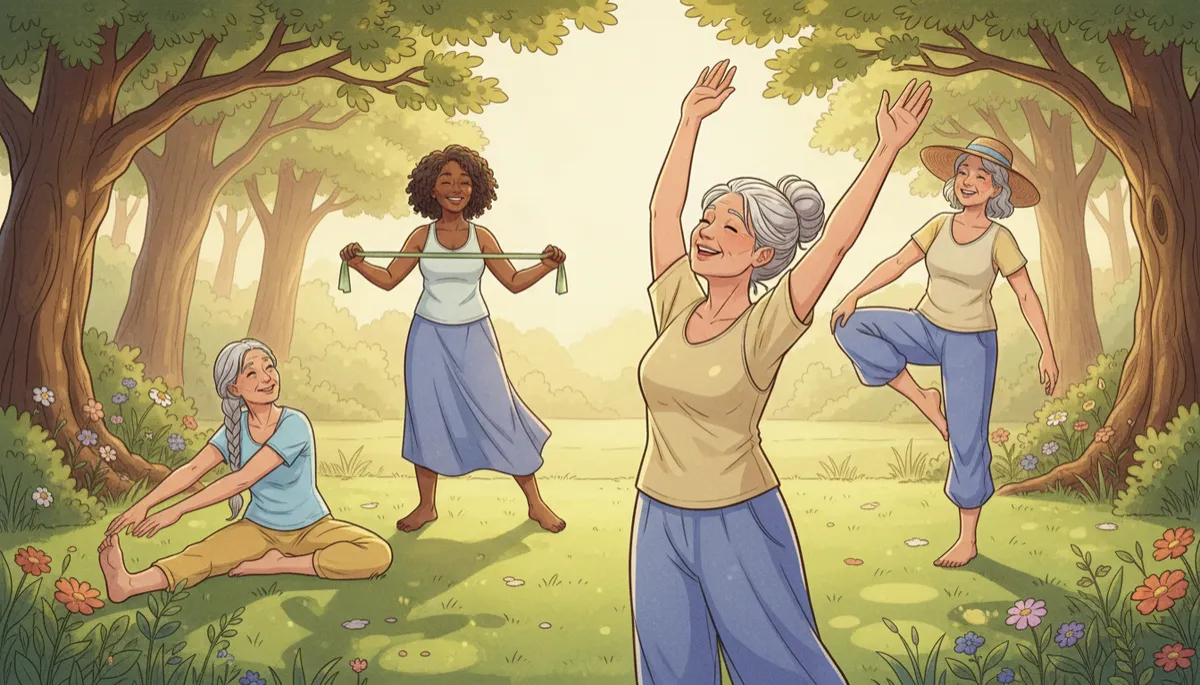
Even a daily walk can boost mood, mobility, and long-term heart health.
Strength Becomes Increasingly Important After 50
Maintaining muscle is especially important as we get older.
Think about everything you do during an ordinary day: getting out of a chair, climbing stairs, carrying groceries, lifting a laundry basket, getting something off the floor, gardening, traveling, or playing with grandchildren.
All of these activities require strength.
A well-designed strength training program for women over 50 can focus on the movements and muscles needed for everyday life. Exercises can be modified according to your current abilities and progressed as you become stronger.
You don't have to start by lifting heavy weights. You start with resistance that is appropriate for you, learn proper technique, and build from there.
Strength isn't just about lifting weights.
It's about maintaining your ability to live your life.
Balance Training Can Help You Move With Confidence
Balance is another area that deserves more attention as we age.
Good balance requires multiple systems working together, including strength, coordination, vision, sensory information, and your ability to react when your body moves unexpectedly.
That is why effective balance training and fall prevention training should involve more than simply standing on one foot.
A comprehensive program may include exercises that challenge stability, coordination, lower-body strength, movement in different directions, and reaction skills.
Improving these abilities can help women feel more confident when walking on uneven surfaces, navigating stairs, stepping over obstacles, or moving through busy environments.
Confidence in your movement matters because fear of falling can sometimes cause people to become less active. Unfortunately, becoming less active can contribute to further losses in strength and physical ability.
The better approach is to keep moving and train the abilities you want to maintain.
Exercise Can Help You Stay Independent
For many women over 50, the most important reason to exercise has nothing to do with appearance.
It's independence.
Being able to take care of yourself, enjoy activities, travel, participate in hobbies, spend time with family, and continue doing the things you love requires physical capacity.
A good senior fitness training program should help support those abilities.
Functional exercises can train movement patterns you use in daily life, including squatting, pushing, pulling, carrying, reaching, rotating, stepping, and getting up and down.
When exercise has a purpose beyond simply burning calories, fitness begins to take on an entirely different meaning.
You aren't just exercising for today.
You are training for your future.
Starting Later Is Still Starting
Maybe you haven't exercised in 10 years.
Maybe you've never exercised consistently.
Maybe you've experienced an injury, surgery, illness, or another life event that interrupted your fitness routine.
None of those things automatically mean that you cannot begin again.
What matters is starting from your current ability rather than comparing yourself with someone else.
This is one reason working with a qualified women's fitness coach or women's personal trainer can be valuable. A knowledgeable trainer can help choose appropriate exercises, teach proper technique, modify movements when necessary, and gradually increase the challenge.
For some women, small group personal training can also provide an encouraging environment. You can work toward your individual goals while exercising alongside other women who may be facing similar challenges.
Exercise After Surgery or Rehabilitation
Women sometimes stop exercising because they have experienced an injury, surgery, or medical condition.
Once medical treatment or physical therapy has ended and a healthcare professional has cleared you for exercise, there may still be a gap between rehabilitation and returning to regular fitness activities.
This is where post-rehab fitness training can be helpful.
Post-rehab exercise is not physical therapy and should not replace medical care. Instead, appropriately designed fitness training can help women continue developing strength, mobility, balance, endurance, and confidence after they have completed rehabilitation and have been cleared for exercise.
Likewise, pre-surgery training may be appropriate for some women who are preparing for a planned procedure, when approved by their healthcare provider.
The objective is always to work safely within the individual's abilities and medical guidance.
Your Brain Benefits From Being Challenged Too
Fitness after 50 shouldn't focus only on muscles.
Exercise can also challenge coordination, reaction time, attention, and the ability to perform different movements or tasks.
Cognitive fitness training can incorporate physical movement with mental challenges. For example, an exercise might require you to respond to directions, remember a movement sequence, change direction, or coordinate multiple actions.
These types of activities can make exercise more engaging while challenging both the body and the brain.
As we age, training should be about maintaining as many aspects of function as possible—not simply counting repetitions.
You Don't Have to Keep Up With Younger Women
One reason some women hesitate to begin exercising is because they believe fitness facilities are designed for younger people.
Fitness should never be about trying to keep up with someone else.
A 65-year-old woman does not need to exercise exactly like a 25-year-old woman to get meaningful benefits from training.
Your exercise program should reflect your body, experience, goals, limitations, and abilities.
For some women, a women-only training environment can make starting easier. A supportive environment where women feel comfortable asking questions, learning exercises, and progressing at their own pace can make fitness much less intimidating.
The best exercise program isn't the hardest one.
It's one that is appropriate, progressive, and sustainable.
Start With What You Can Do Today
You don't need to wait until Monday, next month, or January.
You also don't need to transform your entire lifestyle overnight.
Start small.
Take a walk. Learn a few basic strength exercises. Practice getting up and down from a chair with control. Work on your posture. Add some balance exercises. Schedule an appointment with a trainer who understands the needs of women over 50.
Then build from there.
Consistency matters much more than trying to do too much too soon.
Your Age Doesn't Define Your Potential
Growing older does not mean giving up on strength, movement, confidence, or independence.
In fact, getting older may be one of the most important reasons to make fitness a priority.
Every exercise you perform is an investment in your future ability to move, participate, and remain independent.
You may not be able to control your age, but you can influence how you prepare your body for the years ahead.
Whether you are 50, 60, 70, or older, it is not too late to begin.
Start where you are. Progress at your own pace. Celebrate what your body can do. And remember that exercise isn't about turning back the clock.
It's about building the strength and confidence to keep moving forward.
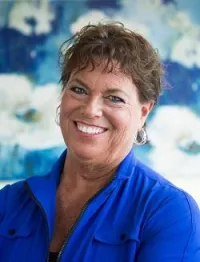
It's Never Too Late To Start
28-Day Trial
3-30 minute group training sessions/week
28-days of nutrition
28-days of accountability
Start the interview process today by signing up for your interview below.
Connect With Us
TASH Wellness
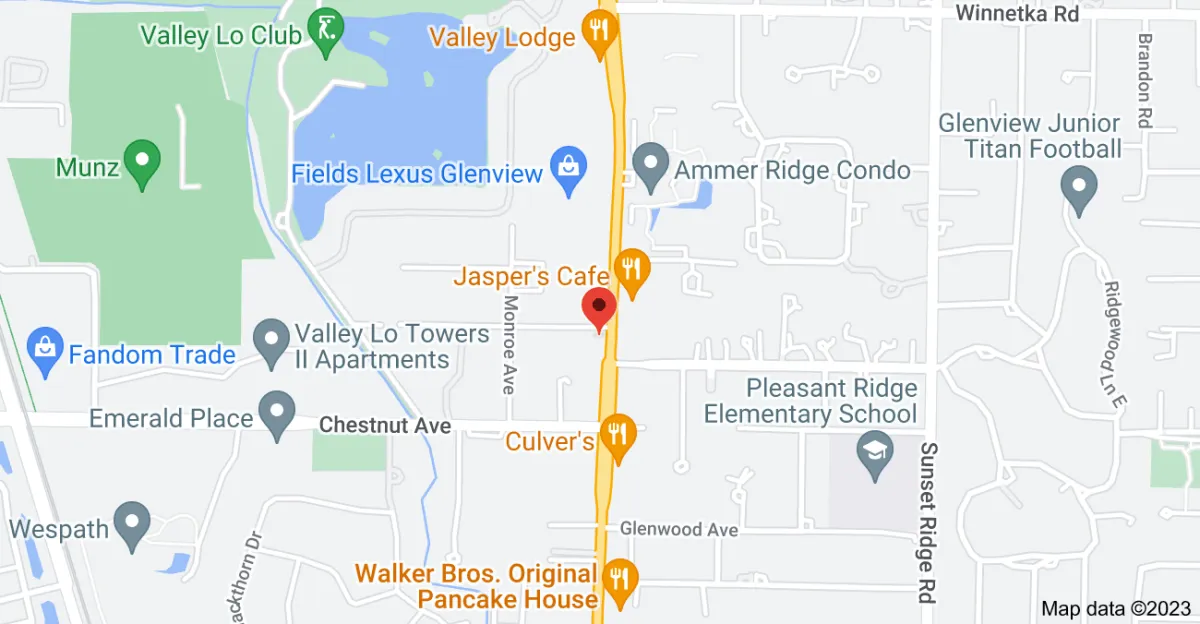
1844 Waukegan Road
Glenview, IL 60025
847-512-3722
Sharan@TASHWellness.com

$209
28-Day Trial
Copyright ©2023 All rights reserved
Powered by Zen Planner