Open hours: By Appointment Only 847-512-3722
TASH Wellness Blog
Fitness, strength, balance, brain health, and wellness for women who want to stay strong and independent at every age
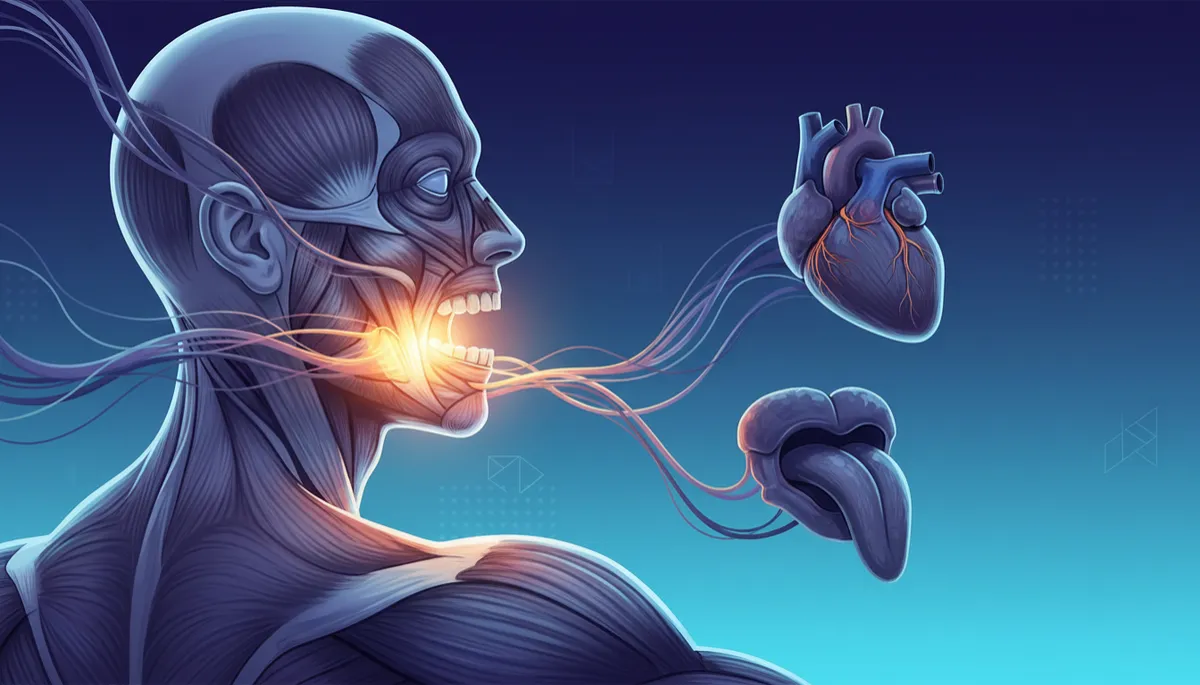
Discover the Strongest Muscle in Your Body
Health, Human Body
The Strongest Muscle in the Human Body – But Is Yours Strong?
When we think about strength, we often picture strong arms, toned shoulders, or powerful legs. But the largest and one of the strongest muscles in the human body is the gluteus maximus, commonly known as the glutes.
Your glutes do much more than shape the back of your body. They play an essential role in standing, walking, climbing stairs, maintaining good posture, protecting the lower back, and keeping you independent as you age.
For women over 50, maintaining strong glutes becomes increasingly important. At TASH Wellness, strength training, functional training, and balance training are important parts of helping women maintain the strength and confidence they need for everyday life.
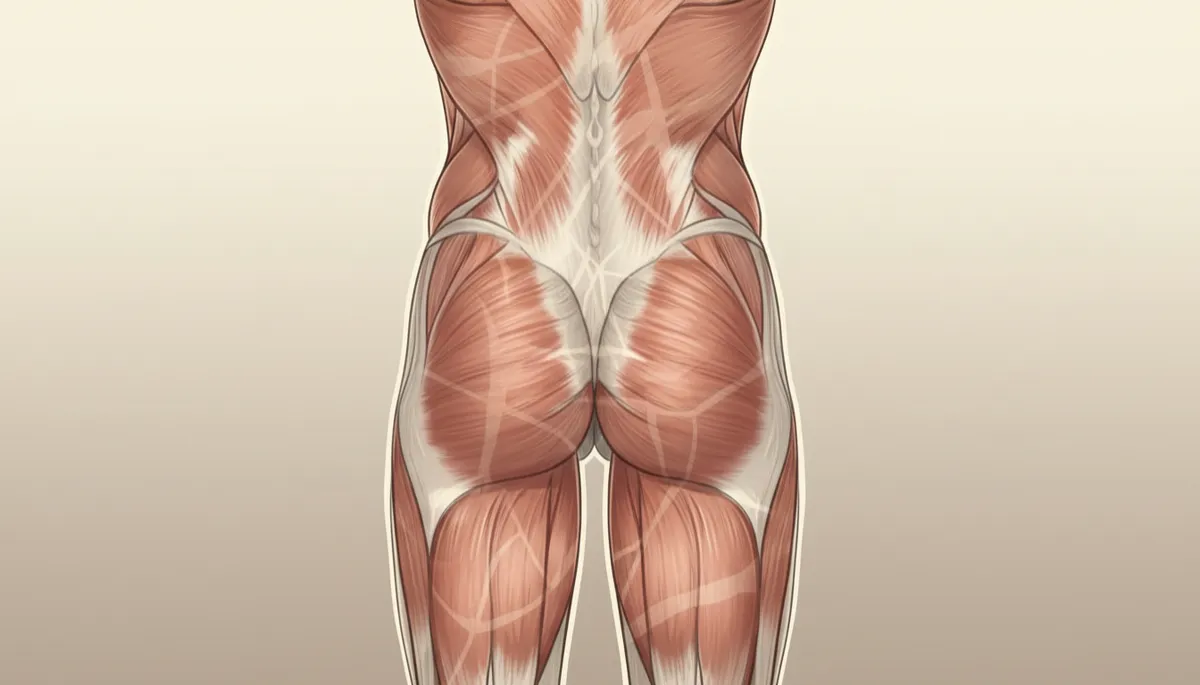
What Is the Gluteus Maximus?
The gluteus maximus is the largest of the three main gluteal muscles. The other two are the gluteus medius and gluteus minimus. Together, these muscles help control movement of the hips and stabilize the pelvis.
The gluteus maximus is especially important for hip extension—the movement that occurs when you stand up from a chair, climb stairs, walk uphill, or rise from a squat.
Think about how often you perform these movements every day. Every time you get out of a chair, step onto a curb, climb stairs, or pick something up from the floor, your glutes should be helping you.
That is why glute strength isn't just about appearance. Strong glutes are about function.
Why Glute Strength Matters for Women Over 50
As we get older, maintaining muscle becomes increasingly important. Without regular resistance exercise, we can gradually lose muscle mass and strength. That loss can make everyday activities more difficult and may affect mobility and independence.
This is one reason strength training for women over 50 is so important.
Strong glutes help support many of the movements we want to continue doing throughout life. They help us get out of a chair without assistance, climb stairs more comfortably, walk with greater stability, lift objects safely, and continue participating in activities we enjoy.
A properly designed strength-training program isn't about turning women into bodybuilders. It is about developing the strength needed for real life.
Strong Glutes and Better Balance
Your glute muscles also contribute to stability.
The gluteus medius, located along the outside of the hip, is particularly important for stabilizing the pelvis when you are standing or moving on one leg. That happens constantly when we walk because every step briefly requires the body to support itself on one leg.
This is why balance training for women over 50 should involve more than simply standing on one foot.
Effective fall prevention training should challenge strength, coordination, reaction, stability, and movement. Exercises that strengthen the hips and glutes can be an important part of a comprehensive balance and fall-prevention program.
Strong Glutes Support Better Posture
Many people spend hours each day sitting. Over time, inactivity can contribute to weakness in muscles that support good posture and efficient movement.
Strong glutes work with your abdominal, hip, and back muscles to support the pelvis and trunk. When these muscles work together effectively, everyday movements can become easier and more controlled.
This is one reason functional training for women over 50 is so valuable.
Functional training focuses on movements that relate to everyday activities rather than simply exercising an isolated muscle. Squatting, stepping, carrying, reaching, pushing, pulling, and getting up and down are examples of movements that can be incorporated into functional fitness programs.
Glute Strength and Independence
One of the most important reasons to maintain lower-body strength is independence.
Consider the physical abilities necessary to live independently: getting out of bed, standing from the toilet, getting out of a car, carrying groceries, climbing stairs, walking through a parking lot, and recovering your balance when you stumble.
All of these require muscular strength.
For women in their 50s, 60s, 70s and beyond, building and maintaining muscle should not be viewed simply as a fitness goal. Muscle is part of your ability to continue doing things for yourself.
Working with a women's personal trainer or senior fitness trainer can help ensure that exercises are appropriate for your current fitness level and that you progress gradually.
What Exercises Strengthen the Glutes?
Many exercises can strengthen the glutes, and they don't have to be complicated.
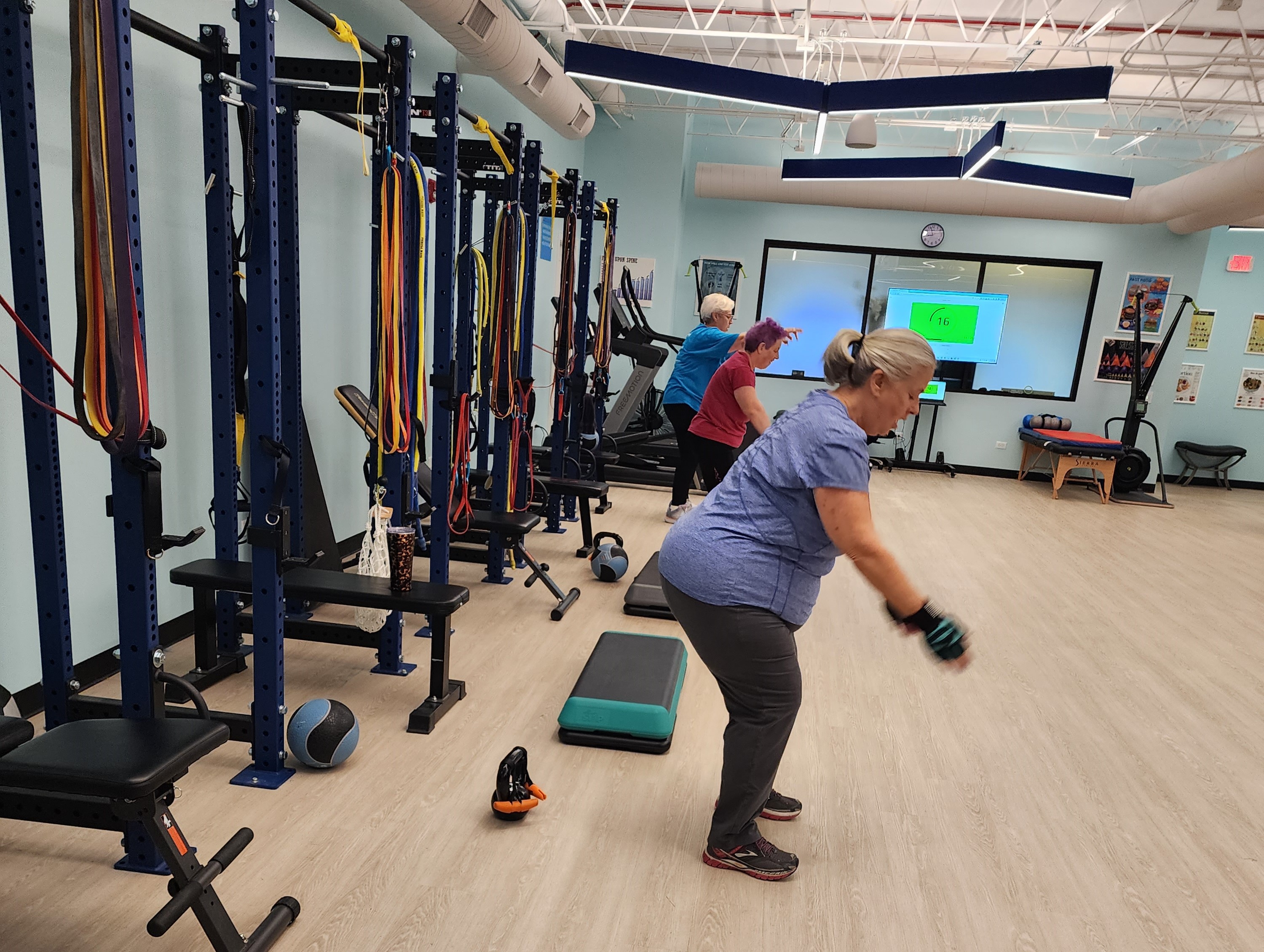
Squats and sit-to-stands help develop the strength needed to get up and down from chairs. Step-ups mimic climbing stairs. Hip bridges strengthen the muscles that extend the hips. Hip abduction exercises strengthen the muscles along the outside of the hips, while properly performed deadlift variations can train the glutes, hamstrings, and other muscles involved in lifting.
The important factor isn't finding one "perfect" glute exercise. A good program uses different movements and gradually increases the challenge as you become stronger.
This is where small group personal training can be particularly beneficial. Women can receive instruction and encouragement while trainers adjust exercises to their individual abilities.
Strength Training Is Not Just for Younger Women
One of the biggest misconceptions about exercise is that strength training becomes less important as we age.
In reality, maintaining strength becomes increasingly valuable.
You are not "too old" to benefit from appropriately designed resistance exercise. Whether you are 50, 60, 70, or older, strength training can help support your ability to remain active.
The goal isn't necessarily to lift the heaviest weight in the gym. The goal is to progressively challenge your muscles enough to help them become stronger.
For someone who has never exercised, that might begin with bodyweight movements or light resistance. For an experienced exerciser, heavier resistance may be appropriate.
Fitness should meet you where you are today.
Strength Before and After Surgery
Lower-body strength may also be important when preparing for certain surgeries or returning to exercise after rehabilitation.
Pre-surgery fitness training can focus on building appropriate strength, mobility, and overall physical capacity before a procedure, with medical clearance when necessary.
After surgery and formal rehabilitation, post-rehab fitness training can help bridge the gap between completing physical therapy and returning to an ongoing fitness routine.
A qualified fitness professional should always work within the recommendations and restrictions provided by your medical or rehabilitation team.
Women Supporting Women
For some women, the environment in which they exercise makes a major difference.
A women-only training environment can provide a comfortable and supportive place to learn strength training, improve balance, and work toward individual goals.
At TASH Wellness, our approach to women-only personal training focuses on helping women become stronger and more capable—not comparing themselves with anyone else.
Whether through individual coaching or small group personal training, the objective is to create exercise programs that have a purpose beyond simply burning calories.
Your Glutes Are Built for More Than Sitting
The largest muscle in your body was designed to work.
Your glutes help you stand, walk, climb, lift, stabilize your body, and move through everyday life. Keeping these muscles strong can be an important part of maintaining mobility and independence as you age.
If you are a woman over 50 who wants to improve strength, balance, mobility, and confidence, now is an excellent time to start.
At TASH Wellness, our Glenview personal training programs focus on helping women build practical strength for everyday life through strength training, functional training, balance training, fall prevention training, and individualized fitness programming.
Strong muscles aren't just about how you look. They are about what you can continue to do. Build strength today so you can keep living life on your terms tomorrow.

It's Never Too Late To Start
28-Day Trial
3-30 minute group training sessions/week
28-days of nutrition
28-days of accountability
Start the interview process today by signing up for your interview below.
Connect With Us
TASH Wellness
1844 Waukegan Road
Glenview, IL 60025
847-512-3722
Sharan@TASHWellness.com

$209
28-Day Trial
Copyright ©2023 All rights reserved
Powered by Zen Planner